Roof & Attic Ventilation: Why It Matters
By the CRS Roofing & Construction team — Amarillo, TX
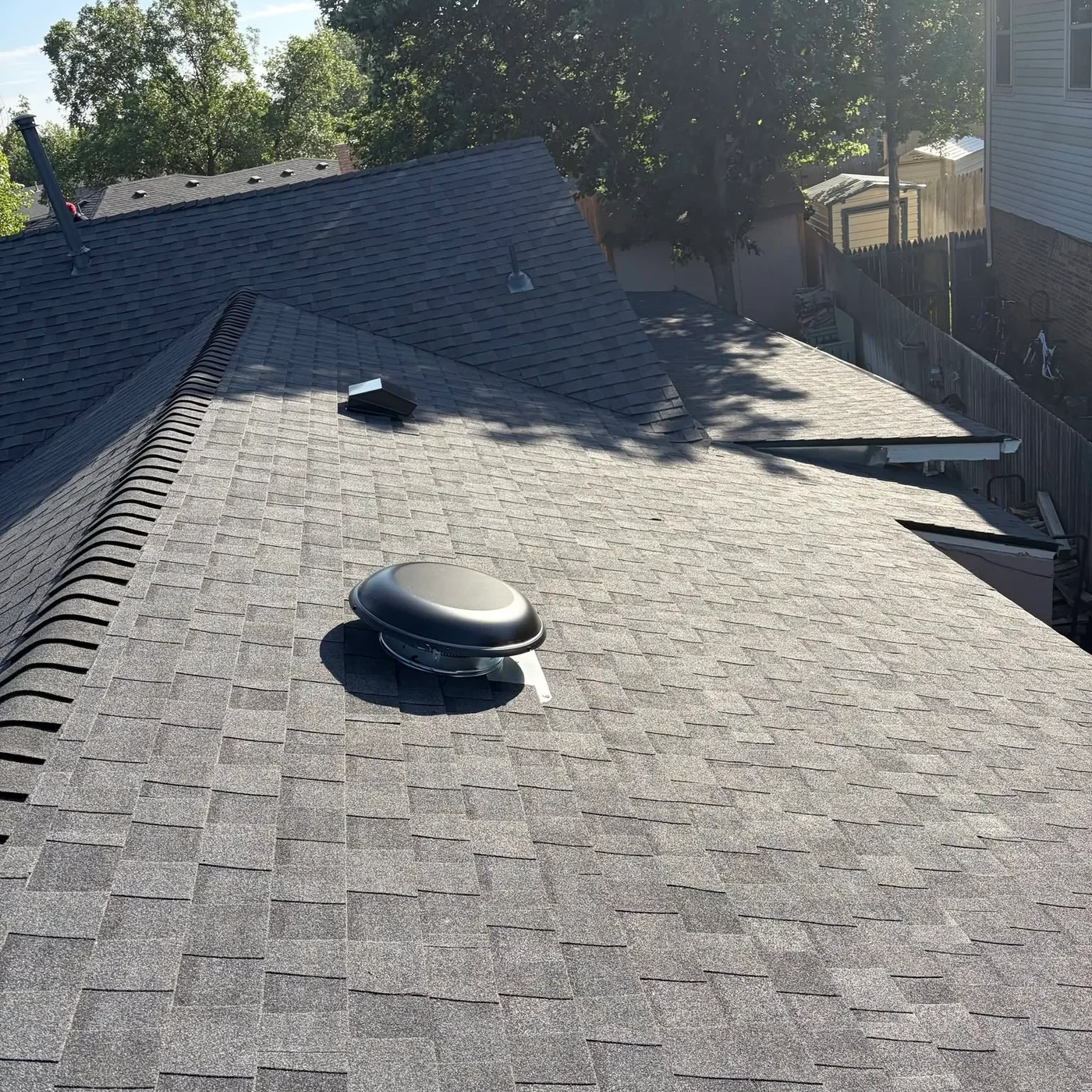
Roof and attic ventilation is the system that moves hot, moist air out of the attic and draws cooler, drier air in. It is one of the least visible parts of a roof and one of the most important for how long that roof lasts. In the Texas Panhandle, where attic temperatures can soar in summer, a roof that cannot breathe cooks itself from the inside. This guide explains how balanced ventilation works, what happens when it fails, and how the right intake and exhaust protect your shingles, your energy bills, and the wood decking underneath.
How Does Roof Ventilation Work?
Ventilation works on a simple principle: hot air rises. Cool outside air enters the attic low, through intake vents in the soffits at the eaves. As that air warms, it rises to the peak of the attic and exits through exhaust vents at the ridge. The result is a continuous, gentle flow of air through the attic that carries heat and moisture out before they can do damage. The two key players are the soffit vents on the underside of the eave overhang and the ridge vent hidden under the cap shingles at the peak. Together they form one loop. Neither works well without the other.
What Is Balanced Ventilation?
Balanced ventilation means the intake and the exhaust are roughly equal. This is the single most important rule in roof ventilation. Intake comes from the soffits down low; exhaust leaves through the ridge up high. When those two are matched in size, air flows steadily through the whole attic. When they are not, the system stalls. A roof with a long ridge vent but blocked or undersized soffit vents cannot pull in enough air, so the ridge vent starves and the attic stays hot. The opposite imbalance causes its own problems. A good roofer sizes intake and exhaust to each other, not by habit. This balance is as fundamental to a healthy roof as soundunderlayment and tight flashing.
What Are the Signs of Poor Ventilation?
Poor ventilation announces itself in several ways, and most are things a homeowner can notice. Watch for:
- An attic that is punishingly hot in summer, and upstairs rooms that never cool down.
- Cooling bills that climb higher than the house size should justify.
- Frost, condensation, or water droplets on the underside of the decking in a winter cold snap.
- Mold, mildew, or a musty smell in the attic.
- Rusted nail tips poking through the deck, a sign of repeated condensation.
- Shingles that curl, blister, or age faster than their rated life.
Any one of these is worth a look. Several together mean the attic is not breathing, and the roof is paying for it. These are exactly the conditions we check during a roof inspection.
How Does Heat Damage a Roof From Below?
In Panhandle summers, a poorly vented attic becomes an oven. Trapped heat drives the deck and shingle temperatures well above the outdoor air. That constant baking from underneath accelerates the breakdown of the asphalt in the shingles, speeds granule loss, and leaves shingles brittle and prone to cracking. The damage is not dramatic like a hailstorm; it is slow, and it happens from the side you cannot see. By the time the shingles look worn, the heat has been working on them for years. Proper ventilation keeps the deck closer to the outdoor temperature and lets the shingles age at their normal rate instead of a forced one.
How Does Moisture Damage a Roof?
Heat is the summer problem; moisture is the winter one. Everyday living pushes water vapor up into the attic from showers, cooking, and laundry. In a well-vented attic, that vapor flows out before it settles. In a sealed-up attic, it hits the cold underside of the decking and condenses into water. Over time that moisture rots thedecking, rusts the fasteners, soaks the insulation so it stops insulating, and grows mold. Wet decking loses its grip on nails and its strength against wind uplift. Moisture damage is one of the quietest ways a roof fails, and ventilation is the cure.
Does Ventilation Really Affect Shingle Life?
Yes, and meaningfully. The heat and moisture a bad attic traps both attack the roof, and over years they can take real time off a shingle roof's usable life. Many shingle manufacturers even require adequate ventilation for their warranty to stay valid, which tells you how seriously the industry takes it. If you are trying to get the full life out of your roof, ventilation belongs on the list right next to quality installation. Our honest breakdown ofhow long roofs last in the Texas Panhandle covers the other factors that add or subtract years.
Can You Have Too Much Ventilation?
More vents is not automatically better. The mistake we see most is mixing exhaust types on one attic, such as adding box vents or a powered fan alongside a ridge vent. Instead of boosting airflow, the extra exhaust can short-circuit the system: the ridge vent pulls air from the nearest opening instead of drawing it all the way up from the soffits, so part of the attic never gets fresh air. The goal is one clean, balanced path from soffit intake to ridge exhaust, sized to the attic. That is a calculation, not a guess, and it is part of designing a roof correctly during a roof replacement.
The Bottom Line
Ventilation is the difference between a roof that reaches its full life and one that quietly ages early. Balanced intake at the soffits and exhaust at the ridge keeps the attic cool in summer and dry in winter, protects the decking and shingles, and often lowers your cooling bills as a bonus. CRS Roofing & Construction checks ventilation on every inspection and designs a balanced system into every new roof we install across Amarillo, Lubbock, and the Panhandle. To see how ventilation fits the whole roof, read ourparts of a roof guide. For a straight answer about your attic and shingles, call(806) 290-0639 or book a free roof inspection.
Roof Ventilation FAQ
Why is roof and attic ventilation important?
Attic ventilation moves hot, moist air out of the attic and draws cooler, drier air in. That keeps the attic from trapping summer heat that bakes the shingles from below and from trapping winter moisture that rots the decking and grows mold. Good ventilation protects the roof, lowers cooling bills, and helps the shingles reach their full rated life.
What is balanced attic ventilation?
Balanced ventilation means roughly equal intake and exhaust. Cool air enters low through soffit intake vents at the eaves and warm air exits high through ridge exhaust vents at the peak. When intake and exhaust are matched, air flows continuously through the attic. If one side is undersized, the system stalls and the attic does not breathe properly.
What are the signs of poor attic ventilation?
Common signs include an attic that is extremely hot in summer, upstairs rooms that never cool down, high cooling bills, frost or condensation on the attic underside in winter, mold or a musty smell, rusted nail tips in the deck, and shingles that curl or age faster than expected.
Does poor ventilation shorten shingle life?
Yes. A poorly ventilated attic traps heat that can drive deck temperatures well above the outdoor air, cooking the shingles from underneath and accelerating granule loss and cracking. Over years, that heat and the trapped moisture below can shorten a shingle roof's usable life. Some shingle warranties even require adequate ventilation to stay valid.
Can you have too much roof ventilation?
Balance matters more than raw quantity. Mixing exhaust types, such as a ridge vent plus powered or box vents on the same attic, can short-circuit airflow so the roof pulls air from the nearest vent instead of from the soffits. The goal is a single, balanced intake-and-exhaust path, not the most vents possible.
How much ventilation does a roof need?
A common code baseline is one square foot of net free vent area for every 150 square feet of attic floor, which can be reduced to 1/300 when intake and exhaust are balanced and a vapor barrier is present. The exact figure depends on the attic size and local code, so a roofer calculates it rather than guessing.
Get a Free Roof Inspection
Tell us about your roof and we'll get back to you fast — usually the same day.