
Roof Decking (Sheathing): When It Needs Replacing
By the CRS Roofing & Construction team — Amarillo, TX
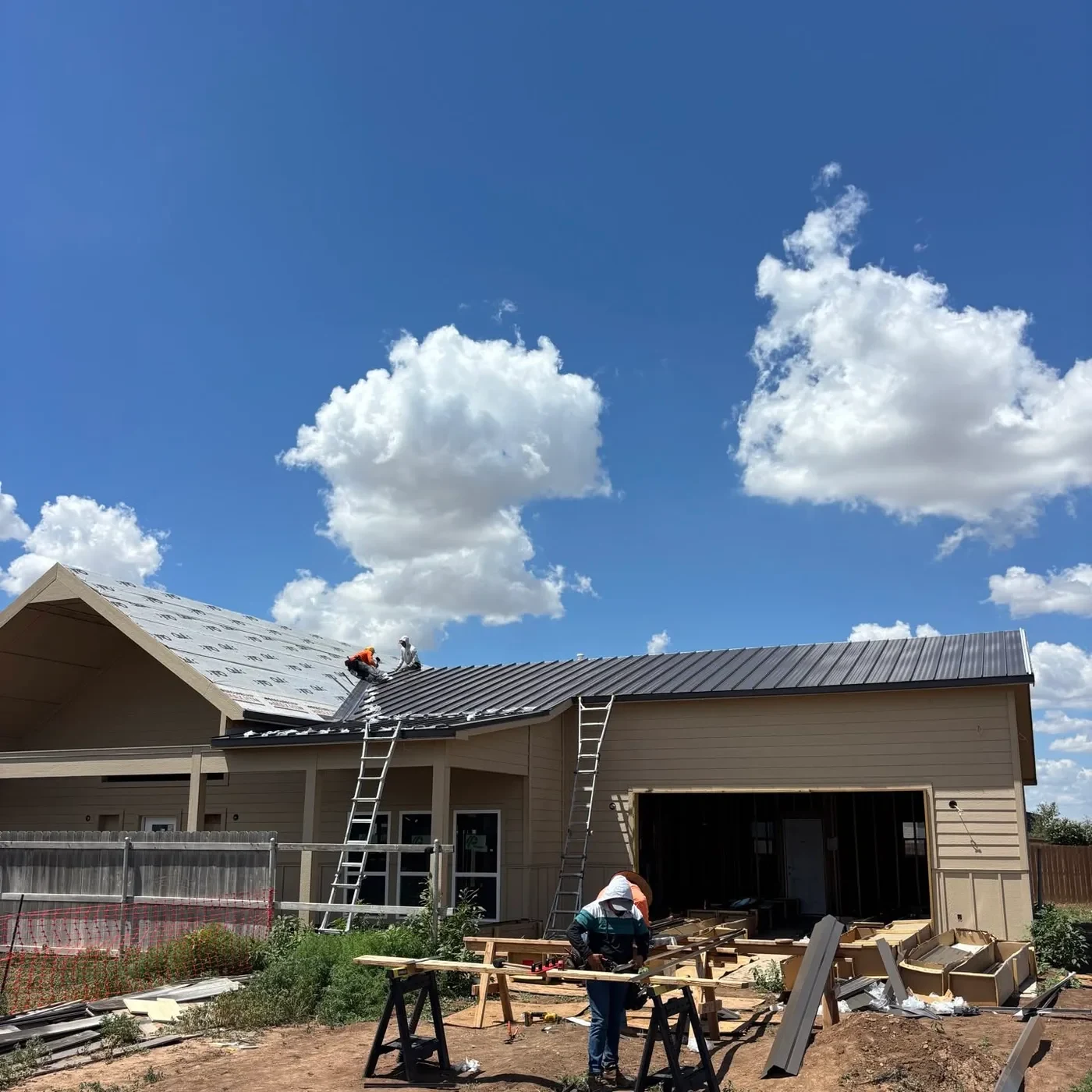
Roof decking, also called sheathing, is the structural wood layer nailed across the rafters or trusses that forms the solid base of the roof. It is the surface everything else depends on. The underlayment rolls out on top of it and the shingles nail into it, so if the decking is weak, rotted, or will not hold a nail, nothing above it performs the way it should. On a Texas Panhandle home that has seen decades of heat, wind, and the occasional hidden leak, the condition of the decking often decides whether aroof replacement is straightforward or needs extra work. This guide covers what decking is, OSB versus plywood, the plank decking common in older homes, and how you know when it needs to be replaced.
What Is Roof Decking?
Decking is the skin of wood that turns a frame of rafters into a continuous roof surface. It gives the roof its rigidity, ties the rafters together, and provides the nailing base for the shingles. On most homes built in the last fifty years it is sheet material: 7/16-inch oriented strand board or roughly 1/2-inch plywood, sized to the rafter spacing. It is a permanent part of theroofing system, unlike the underlayment above it, and it is meant to last the life of the structure as long as it stays dry.
OSB vs. Plywood: What's the Difference?
Both OSB and plywood are approved roof decking, and both work well when installed dry and kept dry. OSB, oriented strand board, is made of compressed wood strands bonded with resin. It is the lower-cost, most common choice on new roofs today and performs fine under a well-built roof. Plywood is made of thin wood veneers glued in cross-layers. It holds nails slightly better and dries out faster if it ever gets wet, which is why some homeowners prefer it. The real enemy of either one is moisture. Decking that gets soaked from a long-running leak or poor attic ventilation will swell, delaminate, and lose its grip on the nails regardless of which material it is.
What Is Plank Decking, and Why Does It Matter in Older Homes?
Plank decking is the older style found on many Panhandle homes built before the 1970s. Instead of sheets, the deck is made of solid wood boards, often 1x6 or 1x8, laid across the rafters with small gaps between them. Plank decking is not automatically a problem, and plenty of it is still perfectly solid. The issue is that gapped, cupped, or warped boards do not always hold modern shingle nails reliably, and wide gaps can leave spots with no backing for a nail. When that happens, the fix is usually to overlay the planks with a layer of OSB or plywood to create a continuous nailing surface before the new roof goes on. A roofer checks for this during a roof inspection on any older home.
How Do You Know If Your Decking Needs Replacing?
Most decking trouble is hidden, but it leaves clues. From the ground or the attic, look for a roofline that sags or dips between the rafters rather than running straight. Walking a roof, a soft or spongy feel underfoot signals weakened wood. Inside the attic, water stains, dark streaks, or visibly swollen and flaking board surfaces point to past or active leaks that have damaged the deck. Because the shingles and underlayment hide the wood, none of this is fully confirmed until the old roof is removed. That is the honest answer any good roofer gives: we assess what we can see, and we confirm the decking once the roof is open.
Why Is Rotted Decking Often Found During a Roof Replacement?
Decking sits two layers down, under the underlayment and the shingles, so rot and old leak damage simply cannot be seen from the surface or by an adjuster standing on the finished roof. It is revealed only at tear-off. This is why replacing damaged decking is one of the most common supplements on a Texas roof insurance claim. The damage is real and must be fixed to pass inspection, but it was invisible at the first estimate, so the contractor documents the rotted sheets with photos and the carrier funds the added work. Our guide on Texas hail insurance claims explains how supplements like this get handled, andgetting insurance to pay for a roofcovers the approval process in full.
Is Decking Replaced Every Time the Roof Is?
No, and that is a common misunderstanding. The underlayment is torn off and renewed on every roof replacement, but sound decking stays in place. A roofer only replaces the sections that are rotted, delaminated, or will not hold a nail, and leaves the solid wood alone. On a typical Panhandle re-roof, that might mean a handful of bad sheets near an old leak or along a valley, not the whole deck. A fair, line-item quote tells you up front how damaged decking is priced, usually per sheet, so there are no surprises when the roof comes off.
The Bottom Line
The decking is the foundation of your roof. It is permanent, it is structural, and its condition sets the ceiling for how well everything above it can perform. You cannot judge it from the driveway, which is why an honest inspection and a clear plan for handling any damaged wood matter so much. CRS Roofing & Construction documents decking condition with photos and prices repairs transparently per sheet. To see how the deck fits with the rest of the roof, start with our parts of a roof guide, or read the companion guides on roof underlayment androof flashing. For a straight assessment of your roof, call(806) 290-0639 or book a free roof inspection.
Roof Decking FAQ
What is roof decking?
Roof decking, also called sheathing, is the structural wood layer nailed across the rafters or trusses that forms the solid surface of the roof. Everything else, the underlayment and the shingles, attaches to it. On most modern Texas homes it is 7/16-inch OSB or 1/2-inch plywood.
What is the difference between OSB and plywood decking?
OSB (oriented strand board) is made of compressed wood strands and is the most common, lower-cost decking today. Plywood is made of thin wood veneers and holds nails slightly better and dries out faster if it gets wet. Both are code-approved for roof decking. The bigger factor is that the decking is installed dry and kept dry.
How do I know if my roof decking needs to be replaced?
The clearest signs are a roof deck that sags or dips between the rafters, a spongy or soft feel underfoot, and water stains or rot in the attic. Much of the damage is hidden under the shingles, so decking is usually assessed during a roof inspection and confirmed once the old roof is torn off.
Why is damaged decking often found during a roof replacement?
Decking sits under the underlayment and shingles, so rot, delamination, or old leak damage cannot be seen until the roof is stripped. That is why replacing rotted decking is one of the most common supplements on a roof insurance claim: the adjuster could not see it at the first inspection, and it has to be documented and funded once it is exposed.
What is plank decking and is it a problem?
Plank decking is the older style of solid wood boards, often 1x6 or 1x8, spaced with gaps, used on many homes built before the 1970s. It is not automatically bad, but gapped or warped planks may not hold modern nailing well and sometimes need an overlay of OSB or plywood before new shingles go on. A roofer checks this on older Panhandle homes.
Is roof decking replaced every time the roof is replaced?
No. Unlike underlayment, which is torn off and renewed every time, sound decking stays in place for the life of the house. Only damaged, rotted, or non-nailable sections are replaced. A good roofer replaces the bad sheets and leaves the solid wood, and the quote should spell out how damaged decking is priced.
Get a Free Roof Inspection
Tell us about your roof and we'll get back to you fast — usually the same day.