
How Long Do Roofs Last in the Texas Panhandle?
By the CRS Roofing & Construction team — Amarillo, TX
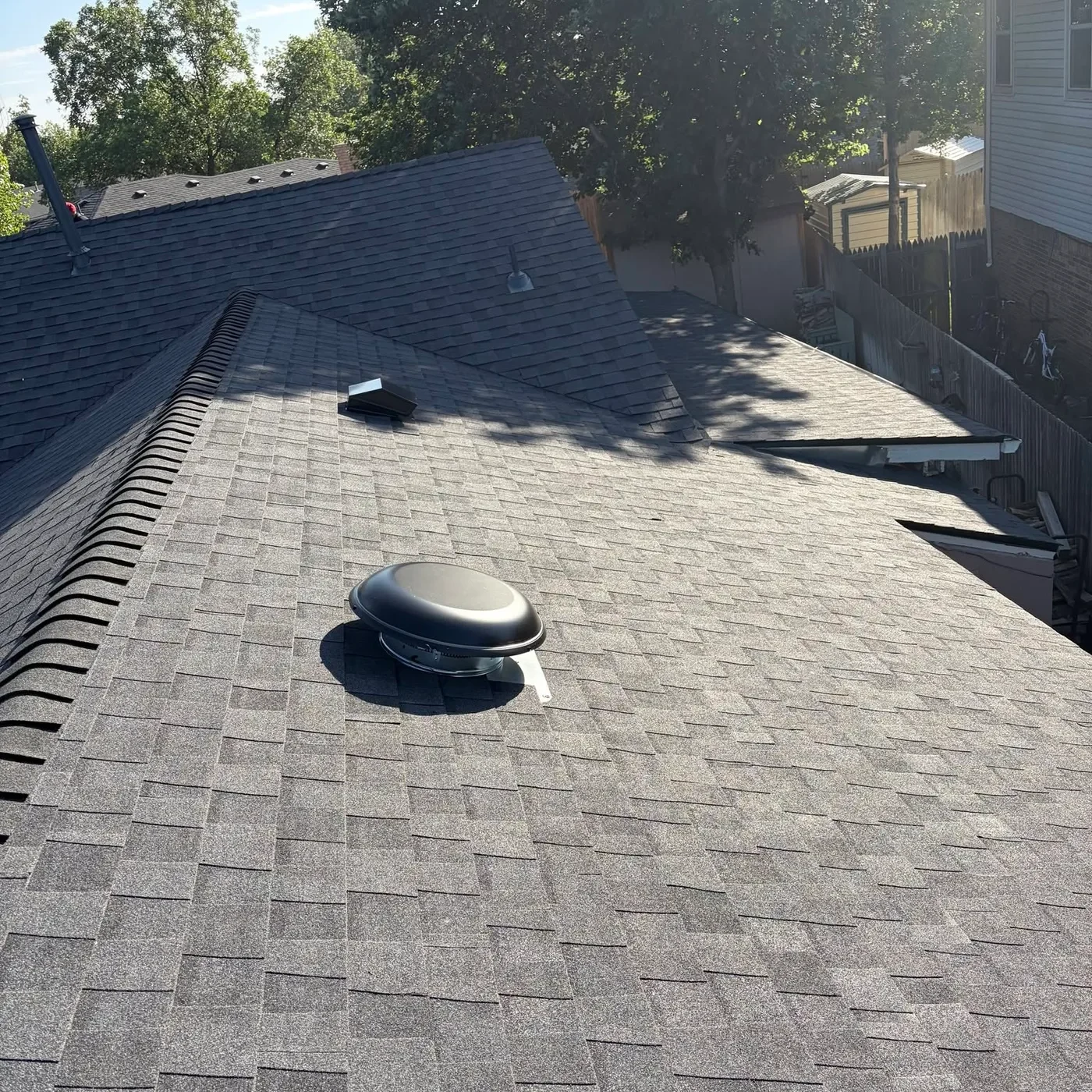
The number on the shingle wrapper comes from tests in mild climates. The Texas Panhandle is not a mild climate. Wind, hail, sun, and freeze-thaw winters all shorten roof life here. This guide lists the lifespans roofs actually deliver between Dalhart and Childress. It also covers what shortens each one and how to buy years back.
The Real Numbers
The table shows what each material delivers in Panhandle conditions. The notes below explain the ranges.
| Roofing material | Panhandle lifespan |
|---|---|
| 3-tab asphalt shingles ("25-year") | 12 to 15 years |
| Architectural shingles ("30-year") | 18 to 25 years |
| Class 4 impact-resistant shingles | 20 to 28 years |
| Standing-seam metal | 40 to 60 years |
| Exposed-fastener metal (R-panel) | 25 to 35 years |
| TPO membrane (commercial) | 20 to 30 years |
| EPDM membrane (commercial) | 20 to 30 years |
| Roof coatings | Adds 10 to 20 years to a sound roof |
Wind kills 3-tab shingles first. Gusts near 60 mph strip tabs years before the sun finishes the job. Architectural shingles reach 25 years only when installed to a high-wind spec. Without that spec, expect the low end of the range.
Class 4 shingles age like other asphalt shingles under sun. The difference shows in hail. Small hail that wears down standard shingles bounces off a Class 4 mat. Class 4 roofs therefore hold the top of their range more often.
Standing-seam metal is often the last roof a home needs. Finish warranties alone run 30 to 40 years. R-panel metal needs fastener gasket service around year 15 to 20. Membrane lifespans on commercial buildings depend on thickness and drainage. Coatings renew a sound roof for 10 to 20 more years, and the owner can recoat again later.
These ranges assume correct installation and basic maintenance. A poorly nailed roof can lose a third of its lifespan. A never-inspected roof loses years to small leaks that spread. The ranges also assume no direct hit from severe hail. One storm with 1.5-inch stones can end any asphalt roof at any age.
Why the Panhandle Discount Exists
Wind, first and always
Amarillo ranks among the windiest cities in America. Wind ages roofs mechanically. It flexes shingle tabs until sealant bonds crack. It drives rain sideways under laps. It works at every fastener all year. It is why local Amarillo roofers install shingles to the six-nail high-wind spec.
Installation spec matters more here than in most markets. Six nails per shingle and sealed starter courses separate the two ends of every range above. That spec is our standard on every roof replacement.
Hail, the great interrupter
Panhandle roofs rarely die of old age. Hail retires them early. The core season runs late April through June, with outlier storms on either side. Even hail under one inch crushes granules and bruises shingle mats. Each event quietly subtracts years.
The regional strategy has three steps. Document damage after every significant storm; the checklist is here. File a claim when the damage qualifies. Upgrade to Class 4 when insurance funds a replacement anyway.
UV and thermal cycling
The Panhandle receives more than 3,500 hours of sunshine per year. That sun bakes the volatile oils out of asphalt, which makes shingles brittle. Daily temperature swings of 50 degrees expand and contract every roof material twice a day. South- and west-facing slopes age fastest. When we inspect a roof, those slopes tell the truth first.
Freeze-thaw winters
Winter adds its own tax. Water finds hairline cracks in pipe boots, sealant, and flashing. It freezes overnight and expands as it turns to ice. Each cycle opens the crack a little wider. A Panhandle winter runs through dozens of freeze-thaw cycles, so small autumn defects become spring leaks.
Cost Per Year of Service
Lifespan changes the real price of a roof. Divide the installed cost by the years the roof delivers.
- Architectural shingles: $9,000 to $18,000 over 18 to 25 years. Roughly $360 to $1,000 per year.
- Class 4 shingles: 10 to 20 percent more up front, plus insurance discounts and extra years. Often the lowest net cost per year in hail country.
- Standing-seam metal: $18,000 to $35,000 over 40 to 60 years. Roughly $300 to $875 per year, plus fewer storm repairs.
- 3-tab shingles: the cheapest bid and the worst math. A 12-to-15-year lifespan plus constant wind repairs erases the up-front savings.
Cheap roofs age fastest here. The Panhandle punishes the low bid harder than most climates do.
How to Buy Years Back
- Book an annual inspection. Ours is free and includes photos; book here. It catches $300 problems while they are still $300 problems.
- Fix small failures within weeks. A cracked pipe boot ignored through a freeze-thaw winter becomes a decking repair. See roof repair for the common fixes at $300 to $1,200.
- Balance the attic ventilation. A hot attic ages shingles from below. Ridge-and-soffit airflow is the cheapest lifespan upgrade in roofing.
- Check after every storm. A documented, repaired roof outlives a neglected one by about five years.
- Keep gutters clear and trees trimmed. Debris holds moisture against shingles and feeds freeze-thaw damage at the eaves.
- Re-seal exposed fasteners and flashing on schedule. A $20 tube of sealant applied early prevents a $500 repair later.
A Year of Roof Care in the Panhandle
- March: book the annual inspection before hail season. Fix winter damage while it is small.
- Late April through June: hail season. Walk the property after every storm and photograph anything new.
- July through September: watch south and west slopes for curling and granule loss. Heat does its worst work now.
- October: clear gutters and check pipe boots and sealant before the first freeze. Winter turns small cracks into leaks.
- After any wind event near 60 mph: check edges and ridge lines, and scan the yard for shingle pieces.
This calendar costs one inspection and a few walks around the house each year. It is the difference between the low end and the high end of every range above.
Signs a Roof Is in Its Final Years
- Granules collect at downspout exits after every rain.
- Shingle corners curl or cup across several slopes.
- Bald patches expose the dark shingle mat.
- Repairs stop holding, and leaks move to new spots.
- Neighbors with same-age roofs start replacing theirs.
Two or more of these signs mean the roof is near the end. Plan the replacement before the weather plans it for you.
When to Stop Extending and Start Planning
Past three-quarters of expected lifespan, shift from extending to planning. Repair only to keep water out. Stop buying upgrades for a roof in its final years. The full decision framework is in repair vs. replacement.
Timing matters in hail country. If your roof predates 2008, book an inspection before the next hail season, not after it. Late April through June is the wrong time to discover a worn roof. Replacement prices and options are in the Amarillo cost guide.
Get a Free Roof Inspection
Tell us about your roof and we'll get back to you fast — usually the same day.