
What to Do in the First 24 Hours After Hail Hits Your Roof
By the CRS Roofing & Construction team — Amarillo, TX
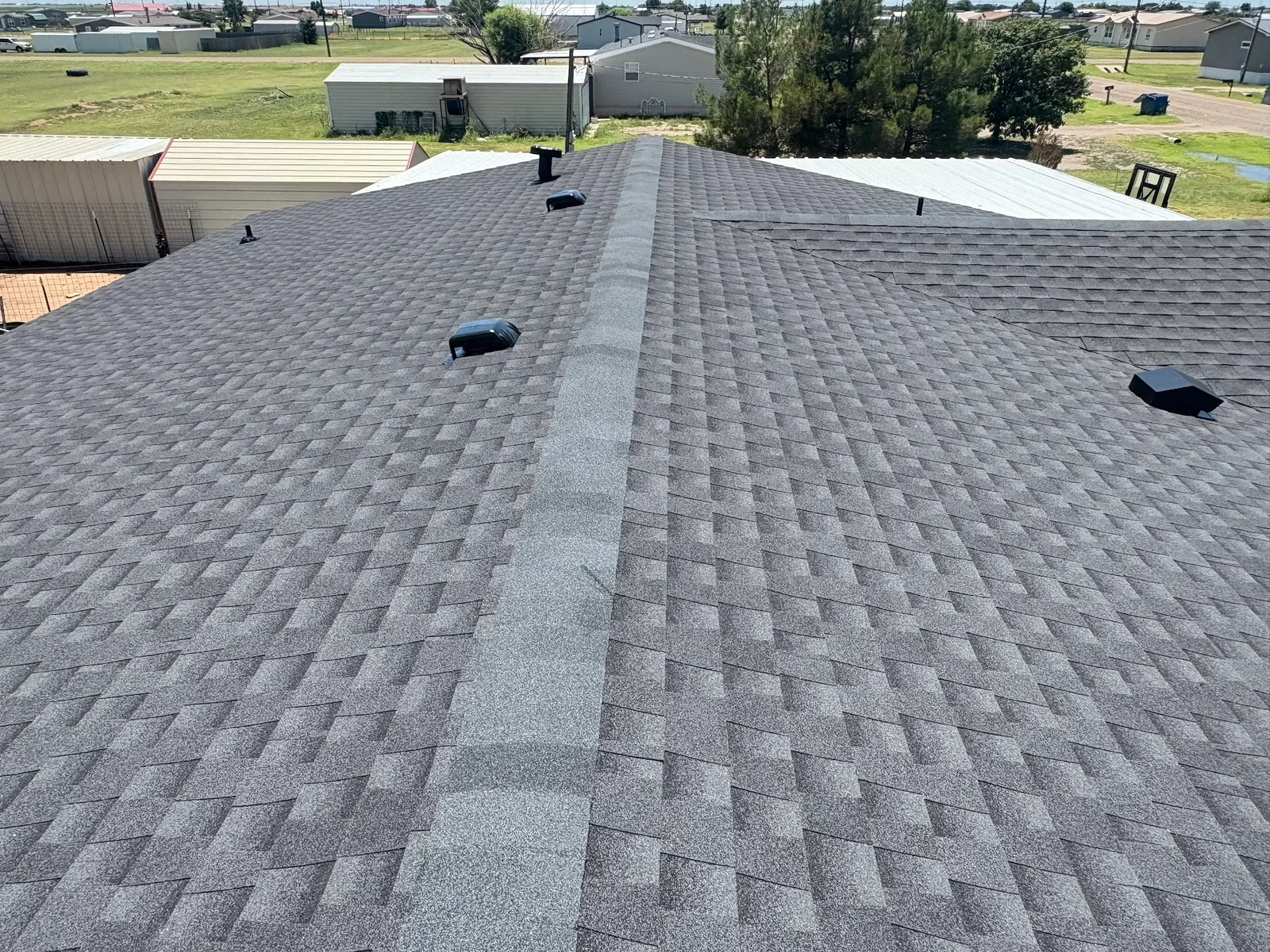
The storm just passed, the yard is white, and the neighbors are out counting dents. What you do in the next 24 hours shapes the claim, the cost, and your next month. Panhandle hail season runs late April through June, so keep this checklist handy. Work through it in order.
Hour One: Safety and Containment
- Stay off the roof. Wet shingles after a storm injure more homeowners than the hail does. Every step below works from the ground.
- Contain active leaks. Move belongings and electronics out of the drip zone. Catch water in buckets. If a ceiling bubble sags, poke a small drain hole over a bucket. The small hole prevents a wider collapse.
- Call for emergency tarping if water keeps coming: (806) 290-0639. Your policy requires you to prevent further damage. Carriers reimburse reasonable mitigation costs, so keep every receipt.
- Photograph interior damage now. Capture stains, drips, and wet flooring with timestamps. These photos become claim evidence.
Hours 2–24: Document From the Ground
Walk the property with your phone. Hail leaves a ground-level evidence trail. That trail establishes impact size and direction without anyone climbing a ladder.
- Dents in gutters, downspouts, and mailboxes
- Dings in AC condenser fins and roof vents visible from the ground
- Pocked window screens, cracked siding, and paint chips
- Granule piles at downspout exits, which show crushed shingle surface washing off
- Shingle pieces or tabs in the yard, which show wind damage on top of the hail
- Hailstones photographed next to a coin or tape measure. Put a few stones in the freezer.
Write down the exact date and time of the storm. Save any local news coverage. The NWS Amarillo storm reports for that date corroborate your claim later.
What Hail Actually Does to Shingles
Hail damage is a bruise, not a hole. A stone crushes the granule surface and fractures the fiberglass mat underneath. The roof still sheds water for weeks or months. Then the bruise weathers open, and the leak starts. Bruised shingles also age years faster than sound ones.
Size matters, and so does the roof's age. Hail from 1 to 1.75 inches damages most standard shingle roofs. Older, brittle shingles fail with smaller stones. Class 4 impact-resistant shingles resist the common sizes. None of this shows from the driveway, so an inspection has to settle it.
Hail Size Cheat Sheet
| Reference object | Size | Typical result on standard shingles |
|---|---|---|
| Dime to quarter | 0.7 to 1 inch | Granule loss; damage possible on older roofs |
| Half dollar | 1.25 inches | Bruising likely; inspect |
| Golf ball | 1.75 inches | Widespread damage; a claim is likely |
| Tennis ball and up | 2.5+ inches | Roof totaled; also check windows and siding |
The table describes standard shingles in average condition. Class 4 shingles shift each row down a step. Old, brittle shingles shift each row up one.
The Door-Knocker Hour: What Not to Sign
Canvassers blanket damaged neighborhoods within hours of a real hail event. A few represent legitimate local companies. Many work for out-of-region storm crews that leave when the season ends. Three rules protect you.
- Sign nothing on day one. Not an inspection authorization. Not a contingency agreement. Never an assignment of benefits. Some of these documents carry cancellation penalties in the fine print.
- Collect cards and verify later. Look for a physical local address, proof of insurance, and local references. The full vetting list is in choosing a roofing contractor.
- Treat deductible "help" as the walk-away signal. Waiving or rebating deductibles is illegal in Texas. A contractor who opens with a crime will not improve from there.
Day 2–7: Professional Inspection, Then the Claim Decision
Book a free professional inspection within the week. Hail bruising on the roof surface is usually invisible from the ground. The inspection answers the only question that matters: does documented damage exceed your deductible?
If yes, file the claim with evidence in hand. The full process is in the Texas hail claims guide. If no, you spent 30 minutes confirming the roof is sound. You also gained a dated report that strengthens any future claim.
Do the deductible math before you file. Texas wind and hail deductibles usually run 1 to 2 percent of dwelling coverage. On a $250,000 policy, that is $2,500 to $5,000. A $600 repair does not justify a claim. A $12,000 roof replacement does.
The Texas Department of Insurance reminds homeowners after every storm that claim windows are limited. Most policies allow one to two years to file. Fresh documentation beats old memories every time.
What to Expect if You File
- Day 1: Call your carrier or file online. Provide the storm date and your photos. You receive a claim number.
- Week 1 to 2: The adjuster inspects the roof. Have your contractor present so both parties see the same evidence. Slope-by-slope photos keep the meeting factual.
- Week 2 to 4: The carrier issues an estimate and a first payment. Most policies pay in two parts and release depreciation after the work finishes.
- Week 3 to 6: The roof replacement itself takes one to two days on most homes. Supplements cover items the first estimate missed.
Timelines stretch after major regional storms. Adjusters and crews queue up, so early documentation moves you up the line.
Five Mistakes That Shrink Claims
- Waiting months to inspect. Weather keeps working on the damage, and adjusters question stale evidence. Most policies allow one to two years, but fresh files settle faster.
- Repairing before documenting. A quick patch can erase the proof a claim needs. Photograph first, repair second.
- Filing without evidence. A claim opened on a hunch and closed with no payment still sits in your claim history.
- Accepting the first estimate as final. Supplements exist because first estimates miss items. Decking, flashing, and code upgrades get added later.
- Hiring on the doorstep. The contractor decision deserves the same care as the claim decision. Verify first, sign second.
If the Damage Looks Minor
No dents and no debris usually means no claim. Book the inspection anyway after any storm with stones above 1 inch or gusts above 60 mph. The report costs nothing and takes about 30 minutes. If the roof is sound, you gain dated proof of its condition. That baseline makes the next claim easier to prove.
The One-Paragraph Version
Stay off the roof. Stop active leaks tonight and photograph everything with timestamps. Document the ground evidence. Sign nothing on the doorstep. Get a free inspection within the week, and file a claim only if the evidence clears your deductible. Then run the claim with a local crew that documents to adjuster standards and answers the phone when the warranty matters, like an Amarillo roofing company with a shop you can drive to.
Get a Free Roof Inspection
Tell us about your roof and we'll get back to you fast — usually the same day.