
How Roofing Warranties Work
By the CRS Roofing & Construction team — Amarillo, TX
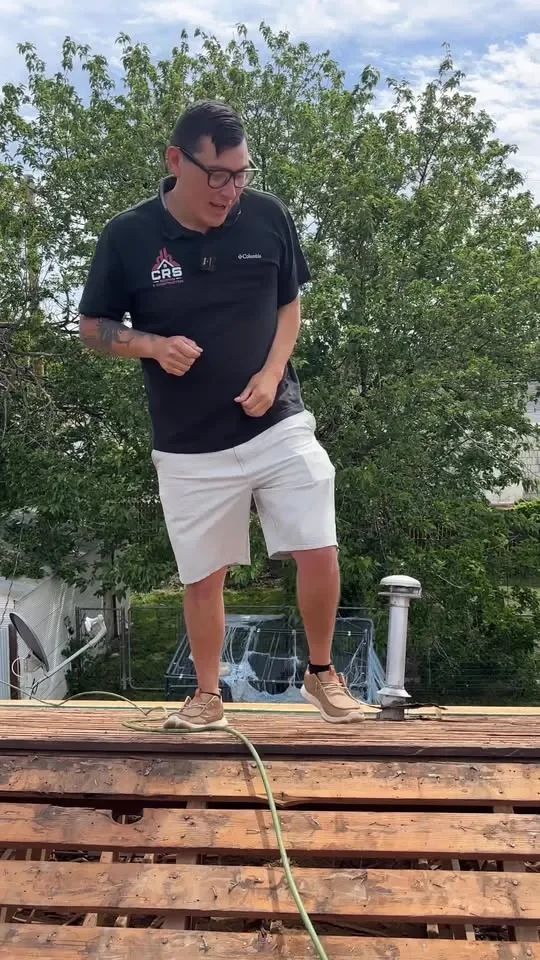
A new roof is usually protected by two separate warranties that most homeowners assume are one. The manufacturer’s material warranty covers the shingles or metal if the product itself is defective, and the contractor’s workmanship warranty covers the installation, the labor and details that decide whether the roof actually keeps water out. On some roofs a third layer, an enhanced or system warranty, sits on top of both. Each layer comes from a different source, covers a different kind of failure, and can be voided in different ways. This guide explains what each one covers, what it does not, what quietly voids them, and how registration and transfer work, so a Texas Panhandle homeowner knows exactly what stands behind the roof overhead.
What Does a Roofing Warranty Actually Cover?
Think of roof coverage in layers rather than as a single document. The bottom layer is the material warranty from the shingle or metal manufacturer, which promises the product is free of manufacturing defects. The next layer is the workmanship warranty from the company that installed it, which promises the roof was put on correctly. On certain roofs a top layer, a system or enhanced warranty, bundles the two and extends them when specific conditions are met. These layers do not overlap. A defect in the shingle is the manufacturer’s responsibility, while a leak at a poorly flashed chimney is the installer’s. Understanding that split is the whole point, and it is covered in depth on our companion page comparing theworkmanship and manufacturer warranty.
What Is the Manufacturer's Material Warranty?
The material warranty is issued by the company that makes the roofing product, not by your roofer. It covers the product failing because of a manufacturing defect, for example shingles that lose their granules far too early or a metal finish that fails before its rated life. Many manufacturers offer a limited lifetime material warranty to the original owner on their architectural shingles, which sounds generous but is prorated: the coverage drops sharply after the first years, so a defect found later pays out only a fraction of replacement cost. The word that matters is limited. These warranties almost never cover labor to tear off and reinstall, they do not cover storm or hail damage, and they do not cover anything related to how the roof was installed. Choosing a quality product up front is worth the research, which is why we wrote a guide to thebest roofing shingle brands.
What Is the Contractor's Workmanship Warranty?
The workmanship warranty is the promise from the roofing company that the installation was done right. It covers the labor and the details: the flashing, the valleys, the nailing pattern, the penetrations, all the places a roof actually leaks. If water gets in because of how the roof was built rather than a defect in the product, this is the warranty that pays to fix it. Workmanship warranties commonly range from a few years to much longer depending on the contractor, and the length matters far less than the company behind it. A ten year promise from a crew that leaves town after storm season is worth nothing, while a shorter written warranty from an established local company is real. CRS Roofing & Construction backs its installations with a written workmanship warranty, and a straightroof repair or fullroof replacement should always come with the terms in writing. The same logic applies to a new shingle roofing system, where the install details decide how well the warranty ever gets used.
What Are Enhanced or System Warranties?
Some manufacturers offer an enhanced or system warranty that covers both the materials and the workmanship under a single, longer term, often with the labor to fix a covered problem included. The catch is that these upgraded warranties usually require the whole roof to be installed as a matched system, meaning the underlayment, starter, shingles, and ridge cap all come from the same manufacturer and go on according to the manufacturer’s specification. They also typically require registration and, in many programs, a contractor the manufacturer has vetted. An enhanced warranty can be valuable, but read what triggers it and what it still excludes. It is one of the questions worth asking any roofer, covered in our guide tochoosing a roofing contractor in Amarillo. A reputable Amarillo roofing company will tell you up front which warranty program a roof qualifies for and what keeps it valid.
What Voids a Roofing Warranty?
This is where homeowners get caught. A warranty is a set of conditions, and breaking them cancels the coverage. The most common way to void coverage is a poor or non-standard installation, which also drags down any material warranty on top of it. Skipping routine maintenance voids many warranties, because the fine print requires reasonable upkeep. Letting an unauthorized contractor make repairs can void a workmanship warranty, since the original installer is no longer responsible for a roof someone else has altered. Mounting a satellite dish, a solar array, or anything that puts fasteners through the roof can void coverage at those penetrations. Poorattic ventilation is a quiet one, since trapped heat shortens shingle life and many manufacturers exclude damage from an under-ventilated attic. And failing to register a warranty that requires registration simply leaves you with the shorter default term.
How Do Registration and Transfer Work?
Registration is the step that activates the coverage you were promised. Many manufacturers grant the full or enhanced term only if the roof is registered within a set window after installation, and on system warranties the roofer usually submits that paperwork. Always ask who files the registration and get a copy of the confirmation. Transfer is the other half. Many material warranties allow one transfer to the next homeowner, often within a limited window after the sale and sometimes for a small fee, which makes a documented roof a genuine selling point when you list the house. Workmanship warranties differ by company, so confirm in writing whether yours follows the home or ends when you sell. Keeping the paperwork, the invoice, and the inspection photos together protects both the coverage and the home’s resale value.
The Bottom Line
A roof is only as protected as the warranties standing behind it, and there is more than one. The manufacturer covers the product, the contractor covers the installation, and an enhanced warranty can tie them together when the conditions are met. Read what each one excludes, keep up the maintenance that keeps them valid, and get every term in writing from a company that will still be here to honor it. CRS Roofing & Construction installs to manufacturer specification, backs its work with a written workmanship warranty, and explains the coverage in plain language before the first shingle goes on. To go deeper on the single most important distinction, readworkmanship vs. manufacturer warranty, see how the layers fit the whole roof in our parts of a roof guide, or learnhow to verify a roofer’s certification before you sign. When you are ready, book a free roof inspection or call(806) 290-0639.
Roofing Warranty FAQ
What does a roofing warranty actually cover?
A roof is usually covered by two separate warranties. The manufacturer’s material warranty covers defects in the shingles or metal themselves, such as premature granule loss or delamination. The contractor’s workmanship warranty covers the installation: the labor, the flashing details, and how everything was put together. They come from different companies and cover different failures, and a roof needs both to be fully protected.
What is the difference between a material and a workmanship warranty?
The material warranty is backed by the shingle or metal manufacturer and only covers the product being defective. The workmanship warranty is backed by the roofing contractor and covers mistakes in how the roof was installed. This matters because most roof leaks come from installation, not from a bad product, so the workmanship warranty is the one that answers most real-world problems.
What voids a roofing warranty?
Common ways to void a warranty include a poor or non-standard installation, skipping required maintenance, adding a satellite dish or solar array that puts holes in the roof, letting another contractor make unauthorized repairs, and failing to register the warranty when registration is required. Poor attic ventilation can also void some manufacturer material warranties because trapped heat shortens shingle life.
Do I need to register my roof warranty?
Often, yes. Many manufacturers extend the standard coverage only if the roof is registered within a set window after installation, and some enhanced system warranties require the roofer to submit paperwork for the full term to apply. A reputable contractor handles or confirms registration for you. Always ask who files it and get a copy of the confirmation for your records.
Can a roof warranty transfer to a new owner?
Many manufacturer material warranties allow one transfer to a subsequent homeowner, often within a limited window after the sale and sometimes for a fee. The transfer terms are set by the manufacturer and are a selling point when you list the home. Workmanship warranties vary by contractor; some transfer and some do not, so the written terms should spell it out.
Is a roofing warranty the same as a guarantee?
They are used loosely in conversation, but a warranty is the written promise with defined terms, exclusions, and a term length. A verbal guarantee is worth very little if a roof fails years later. The only protection you can rely on is coverage you have in writing, from a company that will still be in business and willing to honor it.
Get a Free Roof Inspection
Tell us about your roof and we'll get back to you fast — usually the same day.