
Workmanship vs. Manufacturer Warranty: The Difference
By the CRS Roofing & Construction team — Amarillo, TX
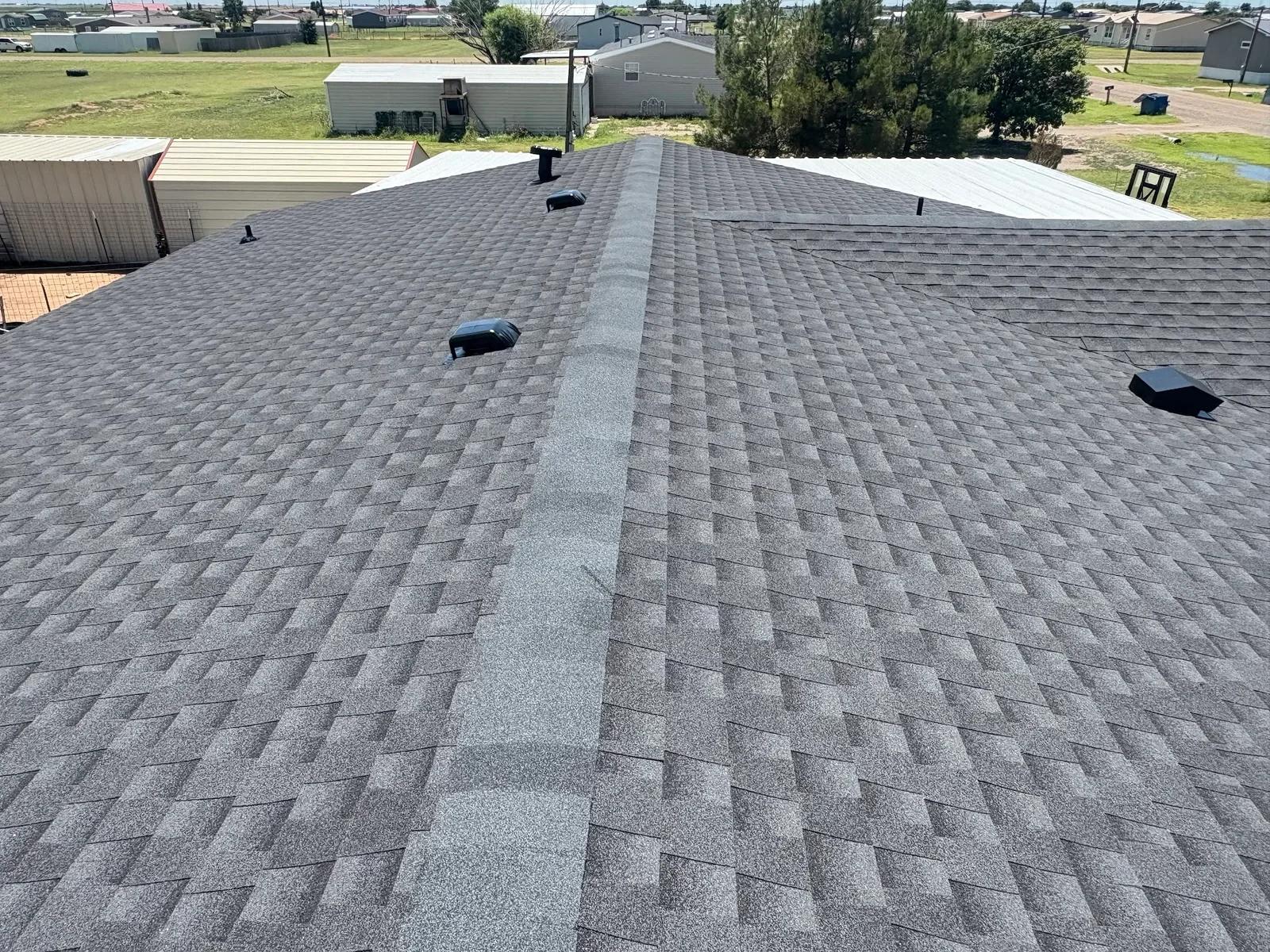
A new roof carries two warranties that cover two completely different things, and confusing them is the most expensive mistake a homeowner can make. The manufacturer warranty covers the roofing material, the shingles or metal, and only pays when the product itself is defective. The workmanship warranty covers how the roof was installed, the labor and the details, and pays when a leak traces back to the work rather than the product. The distinction matters because the vast majority of roof leaks come from installation, not from a bad shingle, which makes the workmanship warranty and the company behind it the part most homeowners should care about. This guide breaks down what each one covers, why the installation coverage carries the most weight, and what happens if the contractor who issued it disappears.
What Does the Manufacturer's Warranty Cover?
The manufacturer warranty comes from the company that makes the roofing product, and it covers exactly one thing: a defect in that product. If a batch of shingles loses its granules far too early or a metal panel’s finish fails before its rated life, the manufacturer warranty is what responds. Many manufacturers advertise a limited lifetime material warranty to the original owner, which sounds broad but is narrow in practice. It is prorated, so its value drops sharply after the early years, and it typically excludes storm damage, hail, and most importantly anything to do with installation. Picking a well-made product still matters, and our guide to thebest roofing shingle brands covers how the materials compare. Just know that the product warranty, on its own, does not protect you from the most common cause of leaks.
What Does the Workmanship Warranty Cover?
The workmanship warranty is the roofing company’s written promise that the installation was done correctly. It covers the labor and every detail that decides whether a roof keeps water out: the flashing at walls and chimneys, the valleys, the fastening pattern, the pipe penetrations, and how the whole system was assembled. When a leak is caused by the work rather than a product defect, this is the coverage that pays to fix it. On both a targetedroof repair and a completeroof replacement, the workmanship warranty is where the real protection lives, because it answers the failures that actually happen on roofs. CRS Roofing & Construction backs its installations with a written workmanship warranty, and any roofer should hand you the terms before work begins.
Why Does the Workmanship Warranty Matter Most?
Here is the fact that reframes the whole conversation: most roof leaks are installation problems, not product problems. A manufacturer can produce a flawless shingle, but if the crew flashes a chimney poorly, nails too high, or skips a kick-out at a wall, the roof leaks anyway, and the material warranty will not cover a dollar of it. That is why the workmanship warranty, and the credibility of the company that issues it, outweighs almost everything else. It also explains why vetting the installer matters more than chasing the longest-sounding warranty. Our guide on how to choose a roofing contractor in Amarillowalks through the questions that separate a real local company from a storm chaser, and you can confirm a company’s claims by learning how to verify a roofer’s certification.
What Happens If the Contractor Goes Out of Business?
This is the question that exposes the weakness of a workmanship warranty, and it is the one storm chasers hope you never ask. The manufacturer material warranty survives, because it is backed by the product maker and follows the roof regardless of who installed it. The workmanship warranty does not. It is only as good as the company that signed it, so if that contractor folds, moves on after a storm, or simply stops answering, the installation coverage effectively vanishes. A ten year workmanship promise from a crew working out of a rented truck is worth nothing in year three. A written warranty from an established company with a local address, a real phone number, and a reputation to protect is worth a great deal. This is the whole reason hiring local matters, and it is why anAmarillo roofing company with roots in the community gives you something a transient crew never can.
How Do You Protect Yourself?
Get everything in writing. A warranty you cannot produce on paper does not exist when you need it, so before any work starts, collect the written workmanship terms, the manufacturer warranty details, and a clear line on what is excluded. Ask how long the workmanship coverage lasts, whether it transfers if you sell, and who registers the manufacturer warranty. Keep the signed contract, the invoice, and the inspection photos together in one place. A reputable roofer welcomes these questions, while a crew that dodges them is telling you something. If you are not sure what your current roof is covered for, a free roof inspection is a simple way to document its condition and start a paper trail. For new roofs, choosing a qualityshingle roofing system from a contractor who stands behind the labor gives you both warranties working together.
The Bottom Line
The materials warranty covers product defects and the workmanship warranty covers the installation, and because installation is where roofs actually leak, the workmanship warranty and the company behind it matter most. A product warranty survives no matter who closes up shop, but installation coverage lives and dies with the contractor who issued it, which is exactly why you hire a company that will still be here. CRS Roofing & Construction is a local company with a written workmanship warranty and a long record across the Texas Panhandle. To understand how both warranties layer together, read our companion guide onhow roofing warranties work, or see where every component fits in theparts of a roof guide. When you want a straight answer about your roof, call(806) 290-0639.
Workmanship vs. Manufacturer Warranty FAQ
What is the difference between a workmanship and a manufacturer warranty?
The manufacturer warranty covers the roofing product and only pays when the shingles or metal are defective from the factory. The workmanship warranty covers how the roof was installed and pays when a leak traces back to the labor, such as bad flashing or a wrong nailing pattern. One is backed by the product maker, the other by your roofer, and they answer completely different problems.
Which roof warranty matters more?
For most homeowners the workmanship warranty matters more, because most roof leaks come from installation mistakes rather than defective products. A manufacturer can make a flawless shingle, but if the flashing or the nailing is done wrong the roof still leaks, and only the workmanship warranty covers that. The product warranty is a backstop; the workmanship warranty is the one you are most likely to use.
Does the manufacturer warranty cover installation mistakes?
No. A material warranty explicitly excludes anything related to installation. If a leak is caused by how the roof was put on, the manufacturer will deny the claim and point to the installing contractor. This is the single biggest misunderstanding homeowners have, and it is why the workmanship warranty and the company standing behind it are so important.
What happens to my warranty if the roofer goes out of business?
The manufacturer material warranty on the product stays valid because it comes from the manufacturer, not the roofer. The workmanship warranty, however, is only as good as the company that issued it, so if that contractor closes, the installation coverage usually disappears with them. This is why an established local roofer with a track record is worth far more than a long promise from a storm-chasing crew.
How long does a workmanship warranty last?
It varies widely by contractor, from a couple of years to much longer. The length is less important than the credibility of the company behind it and what the written terms actually cover. A short warranty from a roofer who will answer the phone in five years is more valuable than a long one from a crew that has already left town.
Do I need both a workmanship and a manufacturer warranty?
Yes. They cover different failures and neither replaces the other. The manufacturer warranty protects you if the product is defective, and the workmanship warranty protects you if the installation is at fault. A roof is only fully covered when both are in place and you have the terms of each in writing.
Get a Free Roof Inspection
Tell us about your roof and we'll get back to you fast — usually the same day.