
Does Homeowners Insurance Cover Roof Replacement?
By the CRS Roofing & Construction team — Amarillo, TX
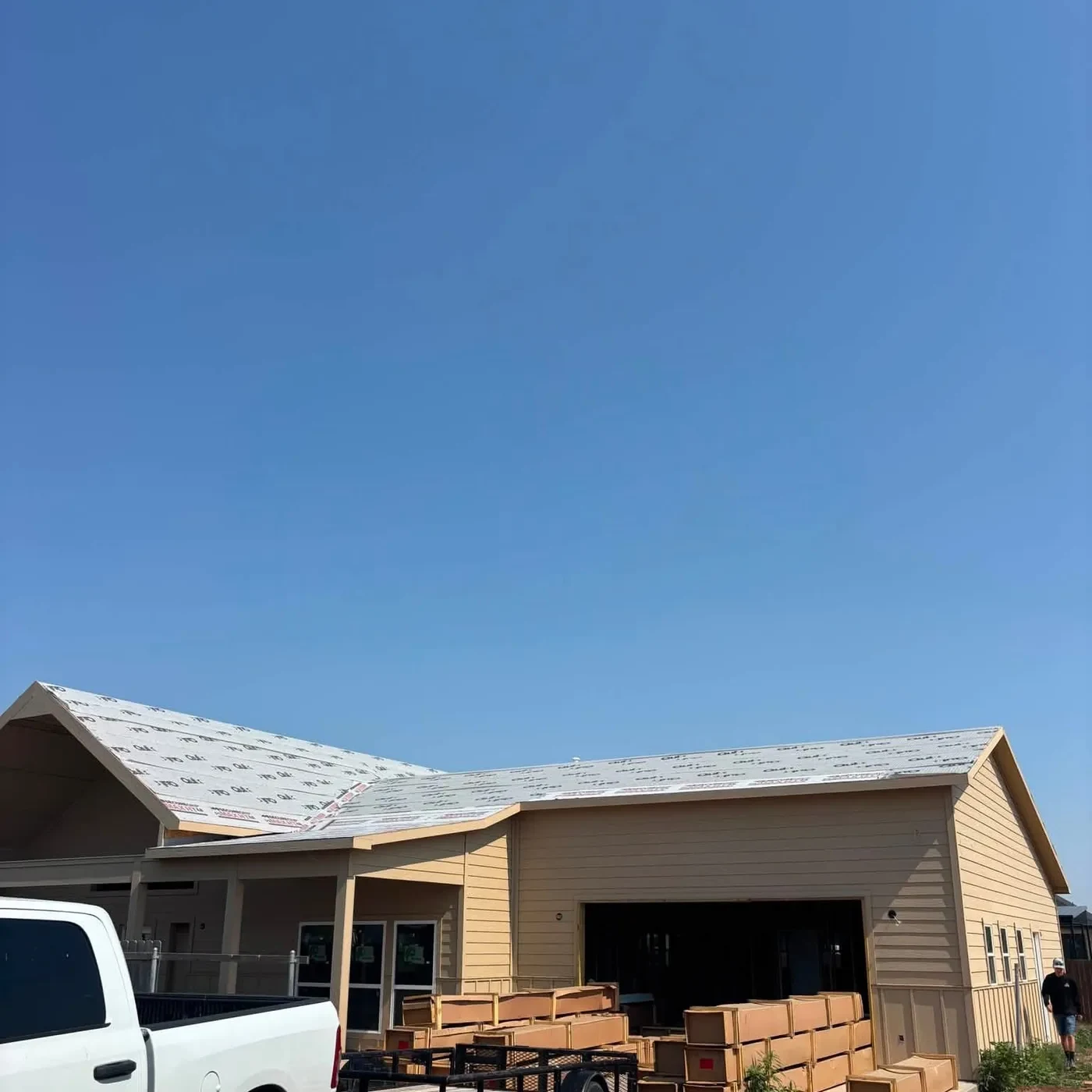
Short answer: yes, when a covered peril causes sudden damage. Insurance does not pay to replace a roof that simply wore out. That single line decides most claims, but the details decide how much you actually recover. This guide explains when a policy covers a roof, when it does not, and how to read your own coverage before a storm hits.
When Insurance Covers a Roof
A homeowner policy covers sudden, accidental damage from a named or open peril. In the Texas Panhandle, the peril that matters most is a storm. Covered events usually include:
- Hail damage.
- Wind damage, including lifted or torn-off shingles.
- Fire and lightning.
- A tree or object falling on the roof.
If one of these caused the damage, the policy is designed to pay for the repair or replacement, minus your deductible.
When It Does Not
Insurance is storm coverage, not a maintenance plan. Carriers exclude the slow and the avoidable:
- Age and normal wear. A roof at the end of its life is your cost, not the carrier's.
- Neglect. Damage that grew because a known problem went unrepaired.
- Cosmetic-only damage that does not shorten the roof's life or let water in.
- Pre-existing damage from a storm you never filed on.
The line between covered and excluded is the same one adjusters draw between functional and cosmetic damage. A hail bruise that cracks the mat is functional and covered. A scuff that never leaks is cosmetic. Our guide on what hail damage looks like on a roof shows the difference.
RCV vs. ACV: The Clause That Sets Your Check
Two policies can both cover a roof and pay very different amounts. The reason is one setting on your policy:
- Replacement cost value (RCV): pays what a new roof costs today. This is the coverage you want.
- Actual cash value (ACV): pays the depreciated value of the old roof. On a 15-year-old roof, that can be a fraction of the replacement price.
Find the setting on your declarations page, the summary sheet from your insurer. If you carry ACV, ask your agent what RCV would cost. The upgrade often pays for itself in one claim.
The Roof Age Trap
Many Texas insurers now limit older roofs even under an RCV policy. Watch for two endorsements. A roof payment schedule pays a set percentage based on the roof's age, so an older roof recovers less. A cosmetic damage exclusion, common on metal roofs, denies dents that do not cause leaks. Read your endorsements now, not after the storm. If your policy schedules older roofs down to ACV, replacing an aging roof before it fails can protect its full value.
How to Check Your Own Policy in Five Minutes
Pull your declarations page and confirm four things:
- Dwelling coverage amount, which sets the size of most limits.
- Whether roof loss settles at RCV or ACV.
- Your separate wind and hail deductible, usually 1 to 2 percent of dwelling coverage.
- Any roof payment schedule or cosmetic exclusion endorsement.
Those four items tell you what a roof claim would really pay. Call your agent for anything the page does not spell out, and get the answer in writing.
If You Already Have Damage
Coverage only matters if you act on it. Start with a documented inspection to learn whether the damage is functional and whether it exceeds your deductible. Book a free roof inspection and we give you a written, adjuster-ready report. From there, the step-by-step process is in our guide on how to get insurance to pay for a roof replacement, and the full claim mechanics are in the Texas hail claims guide. For carrier-specific steps, see our roof claims by carrier overview.
The Bottom Line
Homeowners insurance covers a roof replacement when a covered storm caused sudden, functional damage. It does not cover age, wear, or neglect. How much you recover depends on RCV versus ACV and on any age schedule in your policy. Read those settings today, and if a storm has already hit, get a documented inspection before you file. Call (806) 290-0639 and a local crew tells you exactly where your roof and your coverage stand.
Get a Free Roof Inspection
Tell us about your roof and we'll get back to you fast — usually the same day.